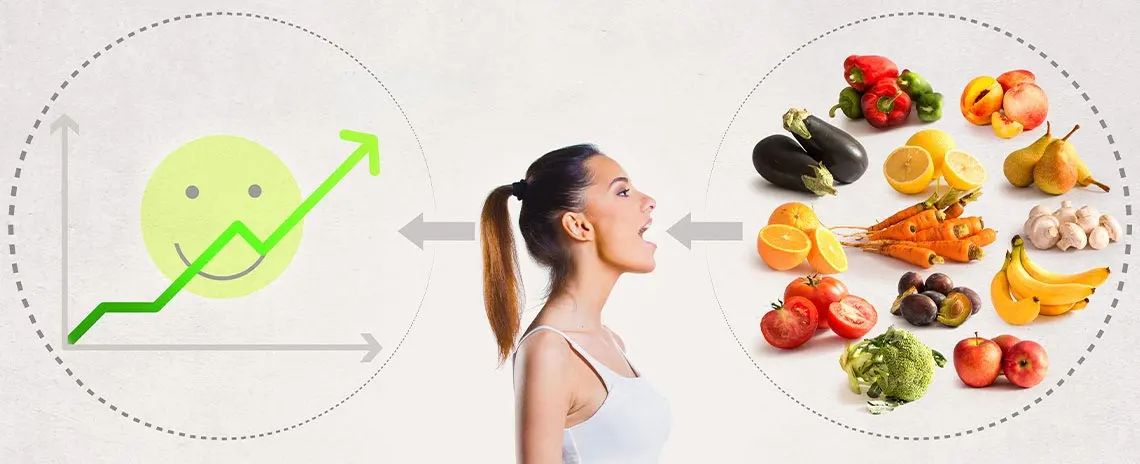

People have fasted for centuries for health, faith, and focus. What fasting may do, who should skip it, and how to try it safely.
People have fasted for centuries, for religious reasons, to manage weight, or simply to give their bodies a break. Some health professionals recommend it; others are skeptical. Here is a balanced look.
What fasting is
Fasting means going without food (but not water) for a set period. Today the most common approach is time-restricted eating, such as fitting your meals into an 8 to 10 hour window and fasting overnight. Longer fasts of a day or more are a different matter and should only be done with guidance from a health professional.
Possible benefits
Research on intermittent fasting suggests it can help some people manage weight, improve blood sugar control, and simplify their eating habits. Many people also say a pause from constant snacking gives their digestion a rest and helps them feel more focused. Results vary from person to person.
Who should not fast
Fasting is not right for everyone. Skip it if you are pregnant or breastfeeding, have diabetes or take medication that affects blood sugar, have a history of eating disorders, or are under 18, unless your doctor says otherwise.
If you want to try it
Start gently: an overnight fast of 12 hours is an easy first step. Drink plenty of water, think of it as a pause from eating rather than starving yourself, and break your fast with a balanced meal. Stop if you feel dizzy or unwell.
Please note. This article is general education, not medical advice. Check with your doctor before starting any fasting plan, especially if you have a health condition or take medication. To talk with our chiropractors, call (650) 600-6570.
Back to all articlesBook your visit
New patients are always welcome. We'll take the time to work out what's going on and build a plan around it.
Book Now (650) 600-6570157 Homer Ave, Palo Alto, CA 94301