
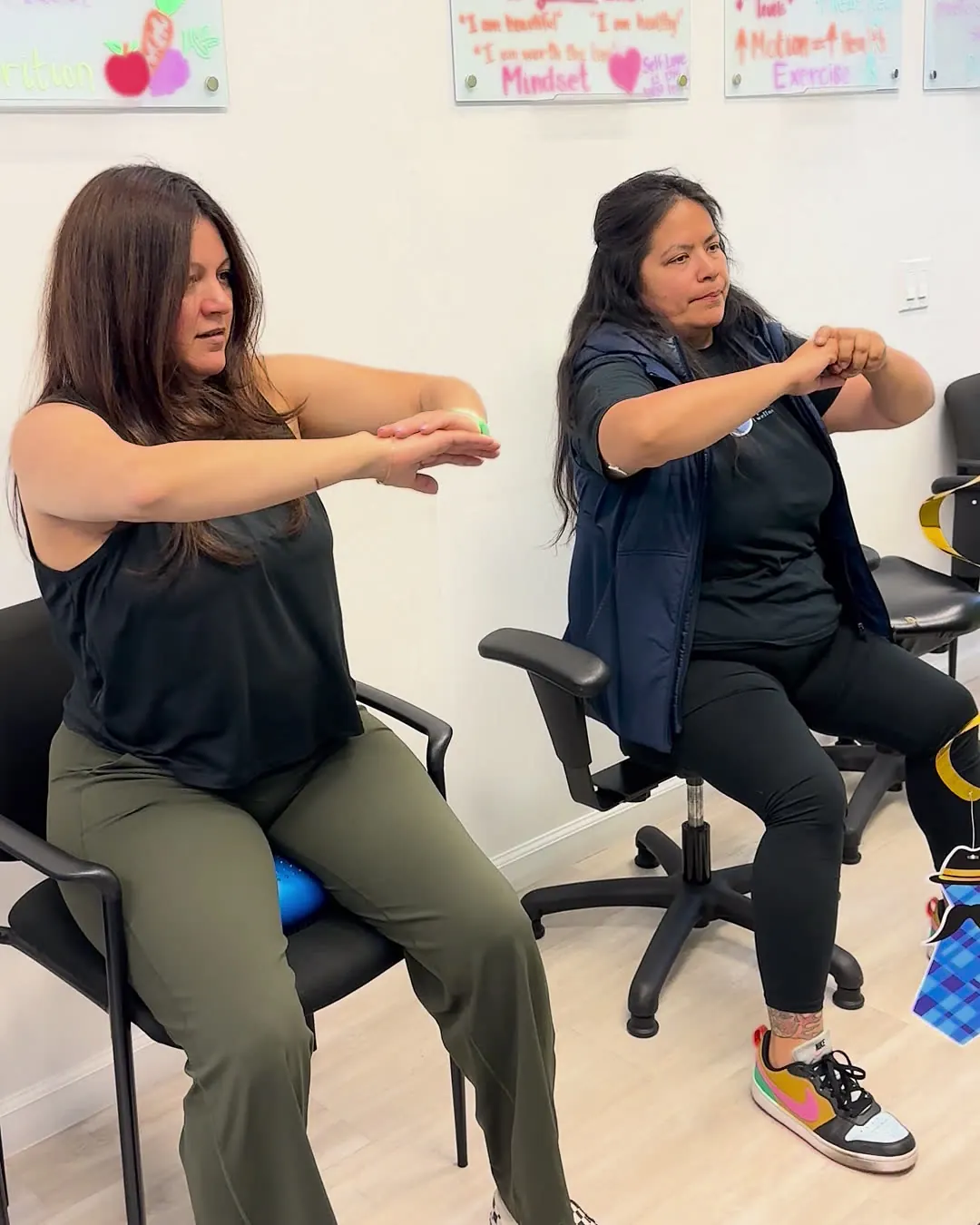
What is frozen shoulder?
Frozen shoulder, also called adhesive capsulitis, happens when the capsule around the shoulder joint becomes thick and tight. It usually moves through three stages: a painful freezing stage, a stiff frozen stage, and a thawing stage as motion slowly returns.
It is more common between ages 40 and 60, in people with diabetes or thyroid conditions, and after the shoulder has been held still, for example following surgery or an injury.
Common causes
- Keeping the shoulder still after an injury or surgery
- Diabetes and thyroid conditions
- Age, most often 40 to 60
- Sometimes no clear cause
Signs and symptoms
- A dull ache in the shoulder or upper arm
- Stiffness that slowly gets worse
- Trouble reaching overhead, behind your back, or to fasten a seat belt
- Pain at night, especially lying on that side
How our Palo Alto chiropractors help with frozen shoulder
Shoulder pain has many look-alikes, so we start by working out whether it is truly a frozen shoulder, a rotator cuff problem, or pain referred from the neck.
Care may include gentle mobilization of the shoulder, adjustments to the neck and upper back so the shoulder has better support, the low-force ArthroStim® instrument, and a home stretching program that changes as your motion returns.
- Chiropractic CareHands-on adjustments that target pain at its source, so you can enjoy your daily activities pain-free.
- ArthroStim® TechniquePain-free, low-force adjustments delivered with a handheld instrument. Great for all ages.
- Therapeutic ExercisesSimple stretches and exercises that help your adjustments hold between visits.
- Diversified TechniqueThe most common chiropractic technique: precise, hands-on adjustments of the spine, arms, and legs.
When to see a doctor right away
Chiropractic care isn't the right first step for everything. Get medical care promptly if you have:
- Shoulder or arm pain with chest pain or shortness of breath (call 911)
- Sudden weakness, or you can't lift the arm after an injury
- A hot, red, swollen joint with a fever
- Numbness spreading down the arm
Exercises that may help
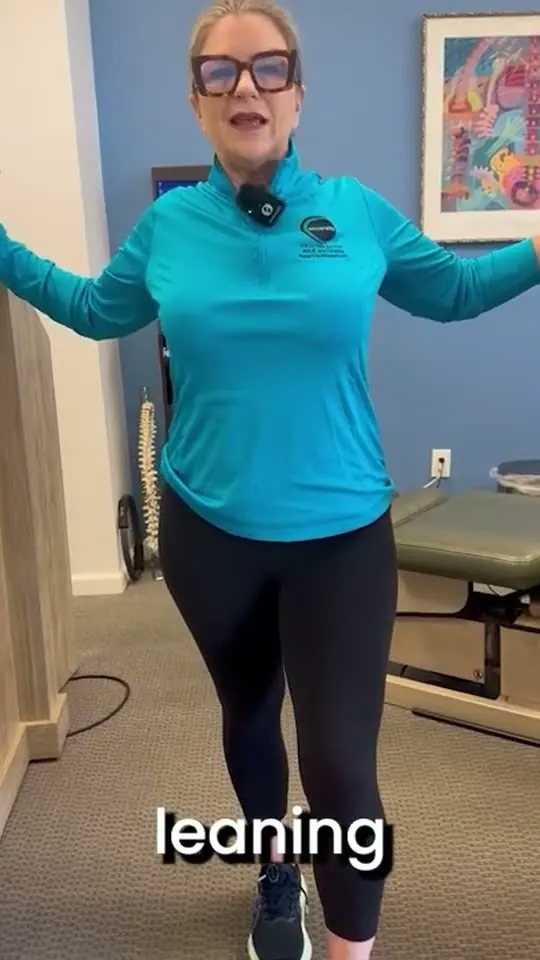
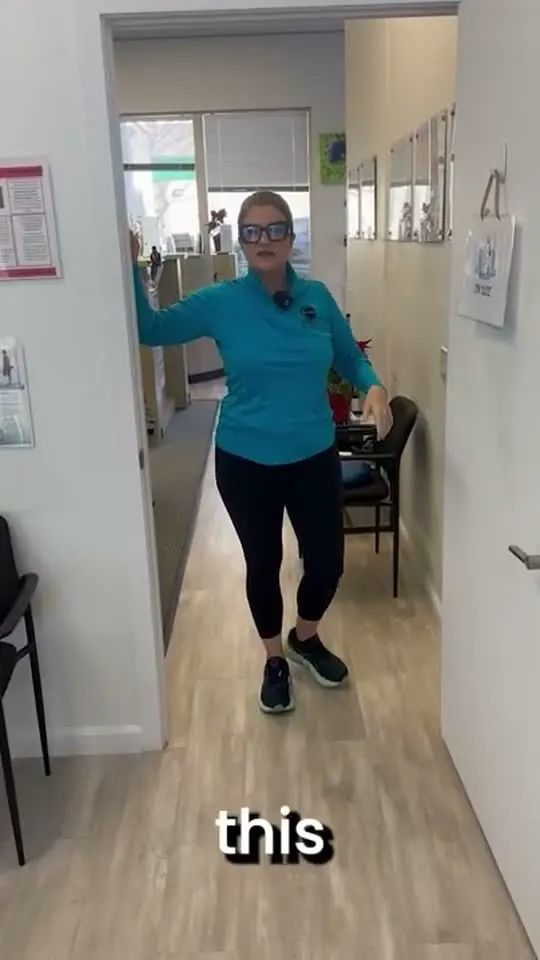
Short videos from our team. Stop if any exercise causes pain, and ask us which ones are right for you.
Frozen Shoulder FAQs
Gentle mobilization, care for the neck and upper back, and a steady home program can help ease pain and restore motion. Progress takes time, and we match care to the stage you are in.
It often improves over time, but that can take a year or longer. Care aims to keep you comfortable and help you keep as much motion as possible along the way.
Related articles
- In-office stretches for better healthSitting at a desk all day takes a toll. Quick stretches for your neck, shoulders, wrists, back, and legs that you can do without leaving your chair.
- The ultimate guide to good postureGood posture is about more than looking confident. A quick wall test, plus simple tips for sitting, standing, walking, and sleeping.
Frozen Shoulder care near you in Palo Alto
University Chiropractic & Wellness is at 157 Homer Ave, Palo Alto, CA 94301, between High Street and Emerson Street and under half a mile from the Palo Alto Caltrain station. New patients can start with the $49 New Patient Special, and we accept most insurance.
We also see patients from Stanford, Menlo Park, Los Altos, Mountain View, Redwood City, and other nearby communities.
This page is general information, not a diagnosis. Every patient starts with an exam so we can recommend care for your specific situation.