
Flexion Distraction in Palo Alto, CA
A gentle, rhythmic technique on a segmented table for disc-related pain and sciatica.
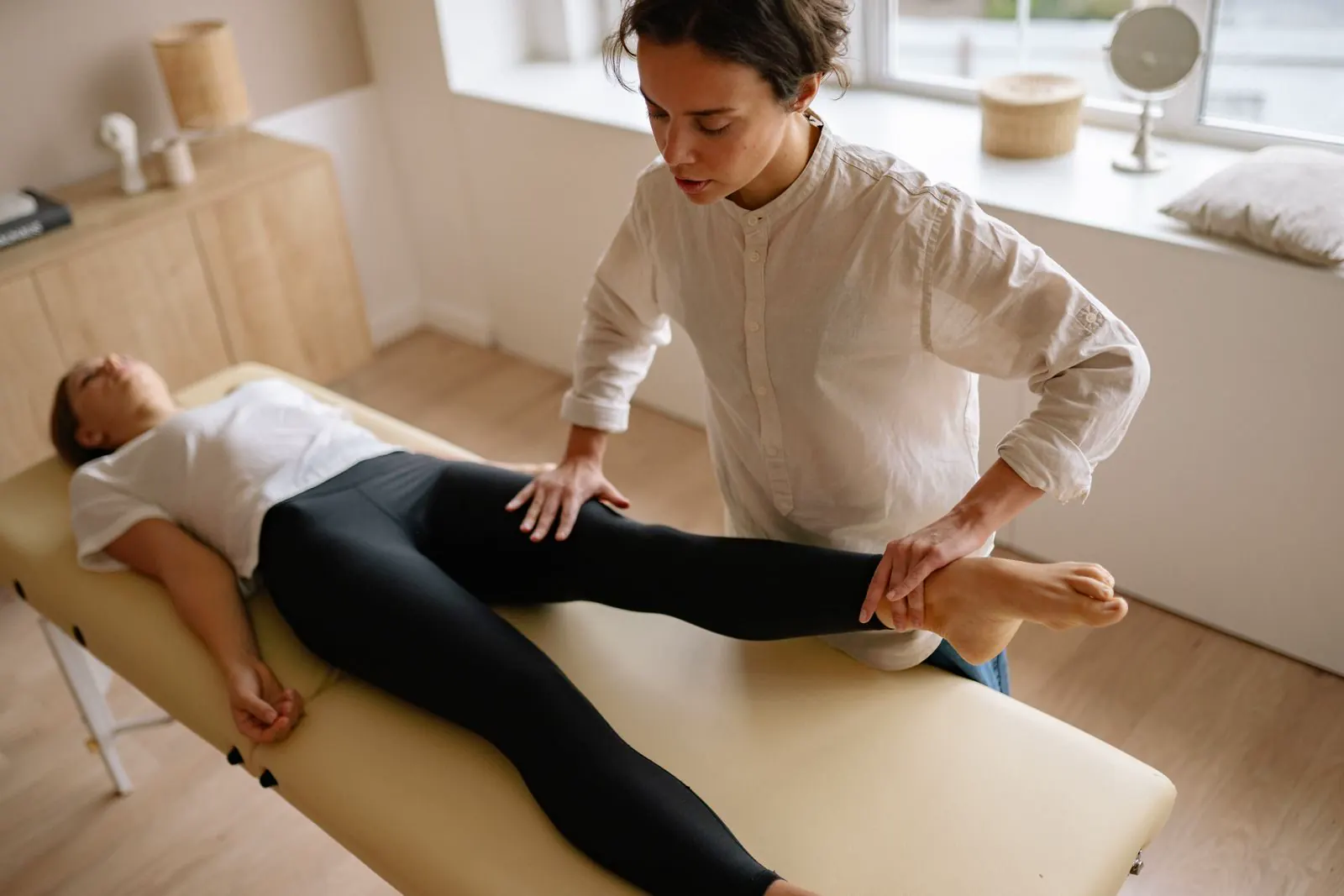
What is flexion distraction technique?
Flexion distraction is a chiropractic technique for spinal manipulation that uses a specially designed segmented adjustment table. Developed by Dr. James M. Cox in the 1960s, it addresses disc-related issues and other spinal conditions, particularly in the lower back.
Your visit, step by step
You lie face down on the specialized table. The chiropractor applies gentle, controlled traction to specific segments of your spine, creating a cyclical motion that flexes and distracts the vertebrae. The movement is slow and comfortable.

Rhythmic motion that helps discs heal
The low force and rhythmic movement promote spinal health and pain relief by enhancing fluid exchange within the intervertebral discs, reducing pressure on spinal nerves, increasing spinal mobility, and stimulating the natural healing processes of the spine.
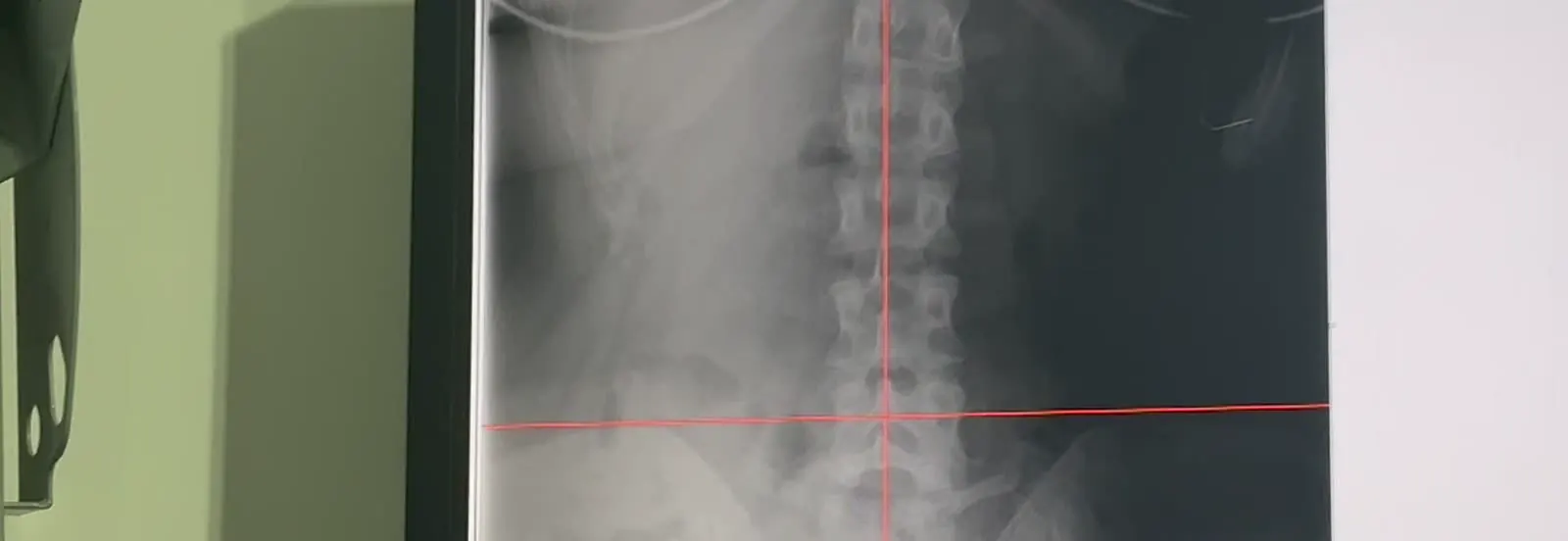
Conditions flexion distraction may help
Neck pain, back pain, whiplash, shoulder and hip pain, frozen shoulder, headaches, sciatica, pinched nerves, herniated discs, vertebral subluxation, scoliosis, fibromyalgia, osteoarthritis, and pregnancy pain.
Our chiropractors are skilled in the flexion distraction technique and committed to helping you reach optimal spinal health.
Conditions flexion distraction technique may help
Flexion Distraction Technique near you in Palo Alto
University Chiropractic & Wellness is at 157 Homer Ave, Palo Alto, CA 94301, between High Street and Emerson Street and under half a mile from the Palo Alto Caltrain station. New patients can start with the $49 New Patient Special, and we accept most insurance.
We also see patients from Stanford, Menlo Park, Los Altos, Mountain View, Redwood City, and other nearby communities.
Flexion Distraction Technique FAQs
No. It is a gentle, low-force technique, and most patients find the rhythmic motion relaxing.
Sciatica happens when a vertebra or soft tissue presses on the sciatic nerve. Flexion distraction reduces pressure on spinal nerves, which is why it is often used for sciatica and disc problems.
Dr. James M. Cox developed flexion distraction in the 1960s.
Is this right for you?
- Herniated discs and sciatica
- Low back and neck pain
- Pinched nerves and scoliosis
- Pregnancy pain and osteoarthritis
- Low-force, rhythmic movement
- Less pressure on spinal nerves
- More fluid to the discs
- Greater spinal mobility
Other ways we can help


Ready to feel like yourself again?
New patients are always welcome. Take advantage of our $49 New Patient Special, with a 5 point exam and X-rays.