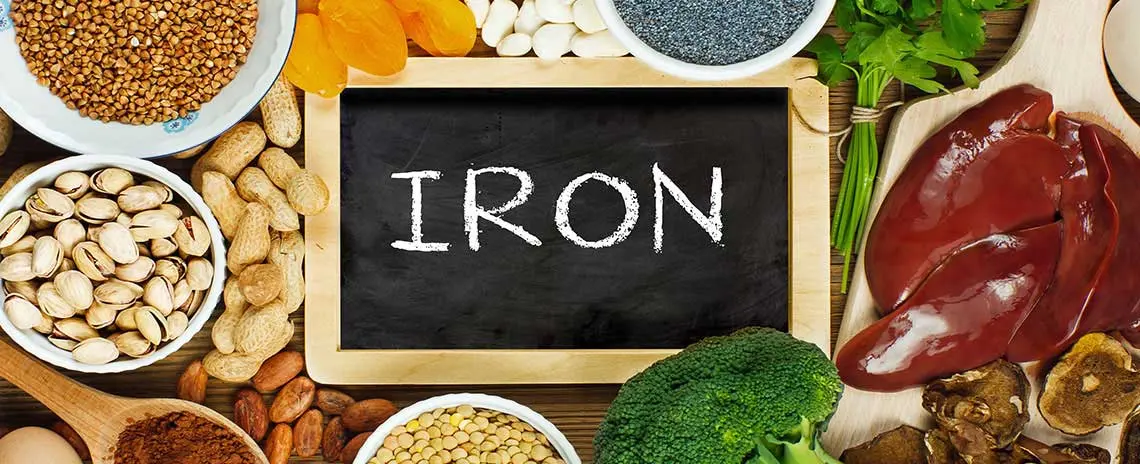
Iron helps your blood carry oxygen to every cell. Signs you might be running low, how much you need, and the best foods to get it from.
Iron is an essential mineral: your body needs it to make hemoglobin and myoglobin, the proteins that carry oxygen from your lungs to your muscles and every other tissue. About two thirds of the iron in your body is in your blood. Without enough of it, your body cannot make enough healthy red blood cells, a condition called iron deficiency anemia.
Signs you may be low
Common signs include feeling weak or tired more than usual, dizziness, headaches, irritability, pale skin, shortness of breath, and trouble concentrating. Iron deficiency during pregnancy is especially important to catch, so it is checked routinely in prenatal care.
How much you need
Needs depend on age, sex, and life stage. Children aged 4 to 8 need about 10 mg a day and those 9 to 13 about 8 mg. Adult men need about 8 mg, while women aged 19 to 50 need about 18 mg because of monthly blood loss, and pregnant women need about 27 mg.
The best food sources
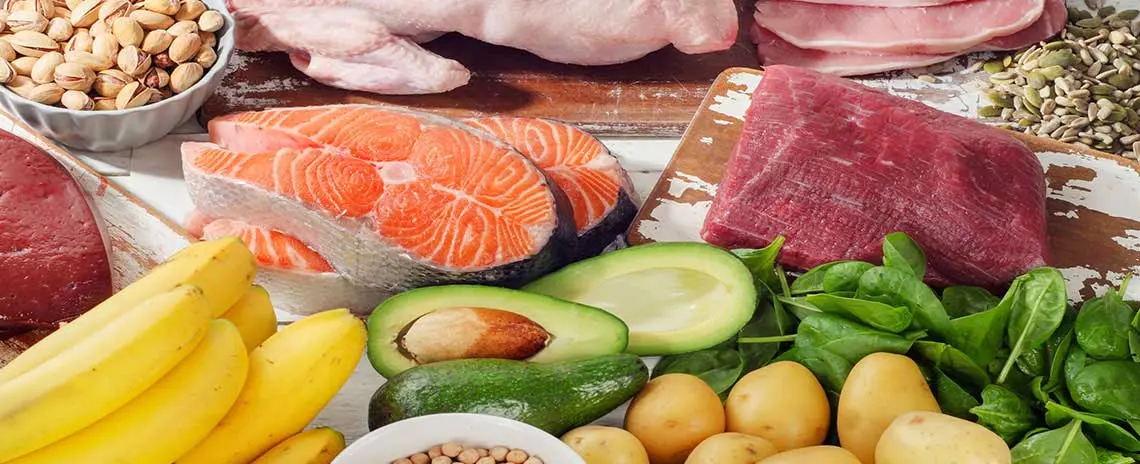
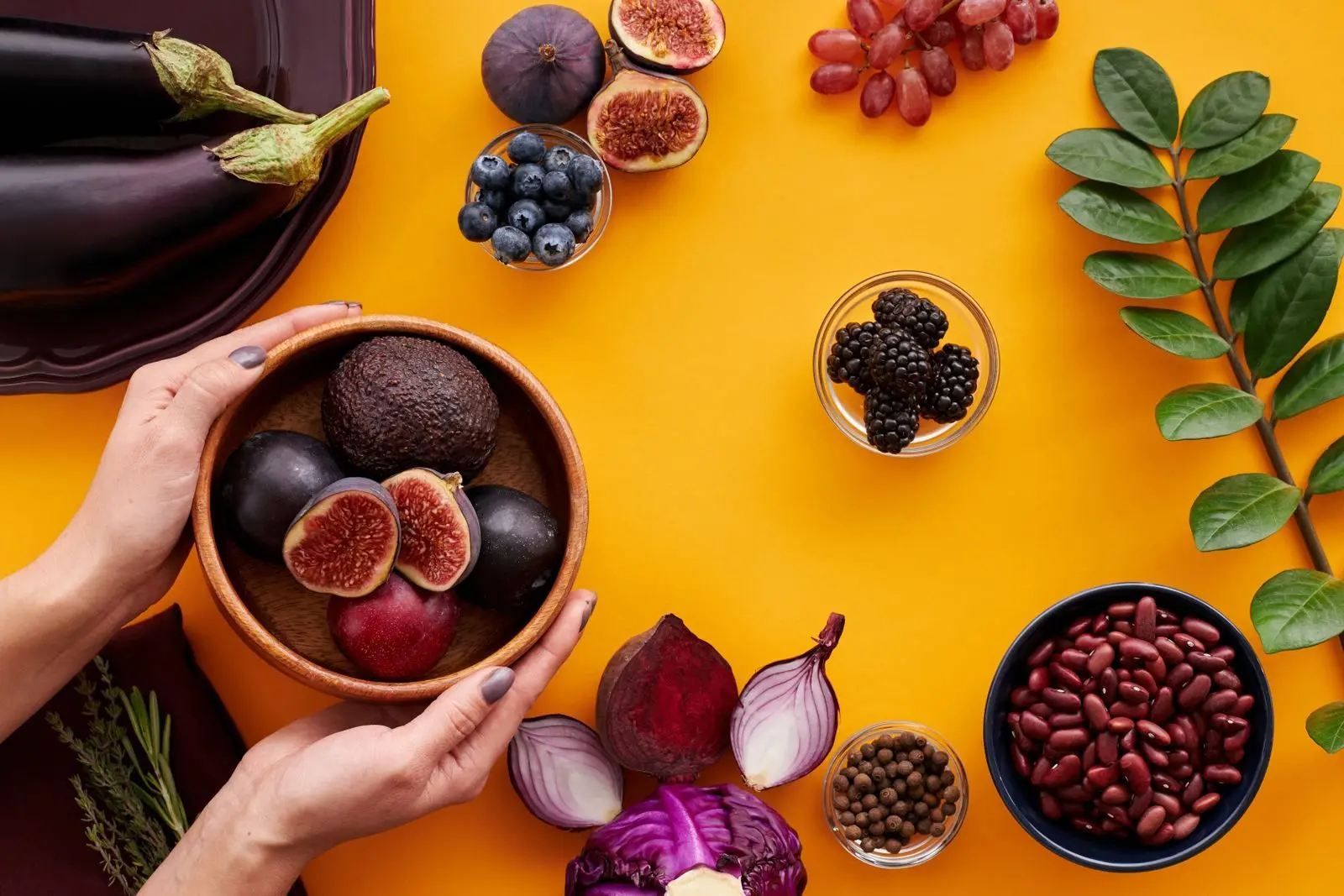
Good sources include lean red meat, poultry, fish like salmon and tuna, oysters, liver, eggs (especially the yolks), beans, dried fruit, whole grains, and iron-fortified cereals. Eating iron-rich plant foods with a source of vitamin C, like citrus or peppers, helps your body absorb more of it.
Talk to your doctor first
If you think you may be low, ask your doctor for a blood test before taking iron supplements, since too much iron can be harmful.
Please note. This article is general education, not medical advice. Call (650) 600-6570 to talk with our chiropractors about your own situation.
Back to all articlesBook your visit
New patients are always welcome. We'll take the time to work out what's going on and build a plan around it.
Book Now (650) 600-6570157 Homer Ave, Palo Alto, CA 94301